Reducing the distancebetween people andmeaningful experiences
A walk near Wooler, an old railway line and what they taught us about websites, business systems and AI.
8 min read17 November 2026By Matt RentonPonteland, Northumberland
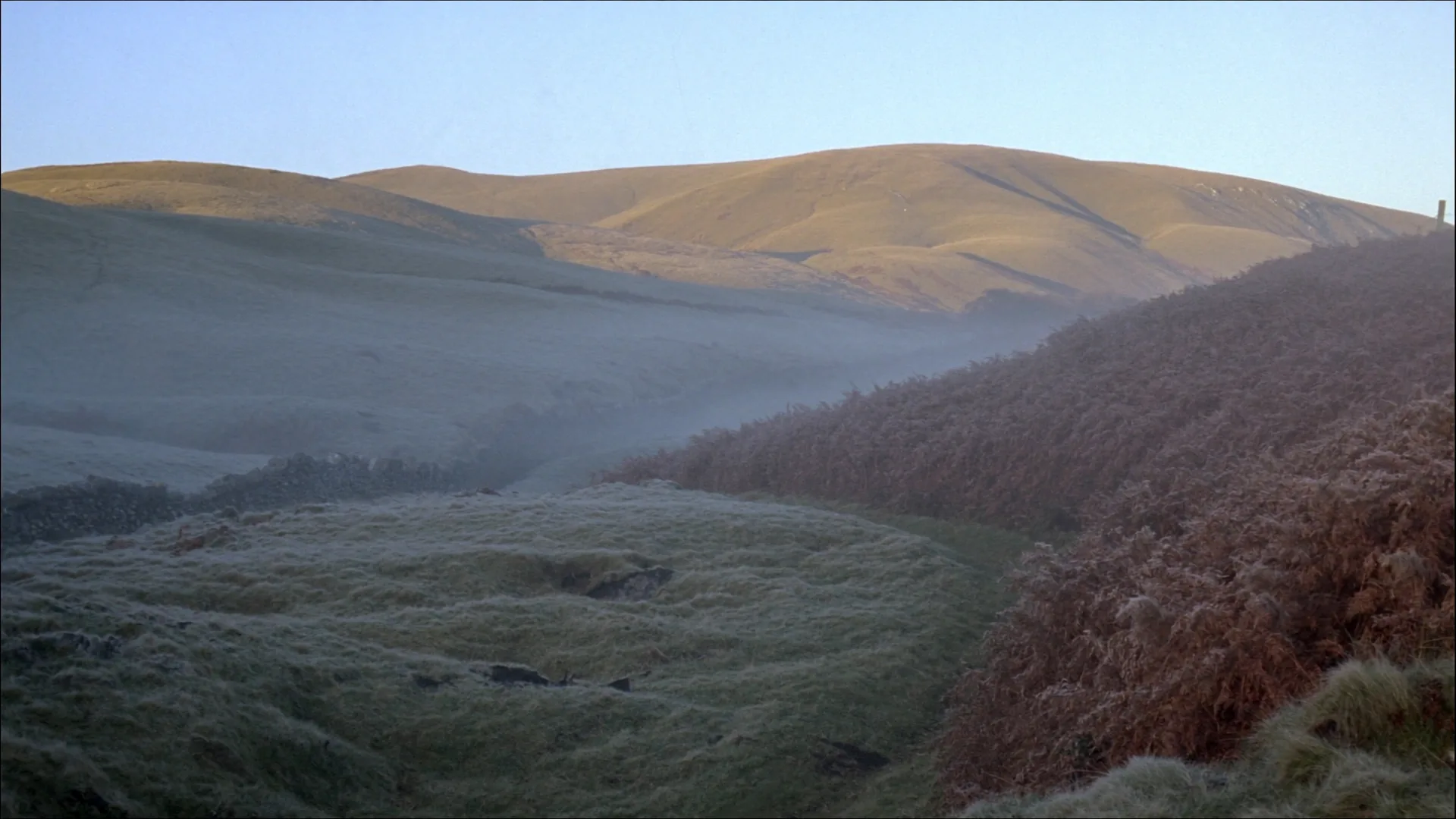
Some of our best ideas don't arrive while we're looking at a screen. They tend to turn up while we're out walking in Northumberland: along the coast, through a wooded valley, or somewhere near Wooler, following a path that once had an entirely different purpose.
There's usually music involved, something atmospheric that gives the mind a bit of room, and enough time to notice the details we'd miss at a desk. It has become an important part of how we think at Quiet Build. We go out, explore, ask questions and come back with better ones.
Over time, one question has started to connect everything we work on:
How do we reduce the distance between people and meaningful experiences?
It sounds broad, but it is a useful test for almost every digital project we take on.
The short version
A website is the station. The value is in the route: what happens after someone enquires, books or asks a question.
We start with the human problem, then choose the tool. Sometimes that is AI. Often it is clearer writing, a simpler site or connecting tools a business already uses.
Every change should be verifiable: real journeys, real feedback, measurable where it matters.
Quiet Build is a studio in Ponteland, near Newcastle upon Tyne, working with independent, experience-led businesses across Northumberland and the North East.
A website is a station. It isn't the railway.
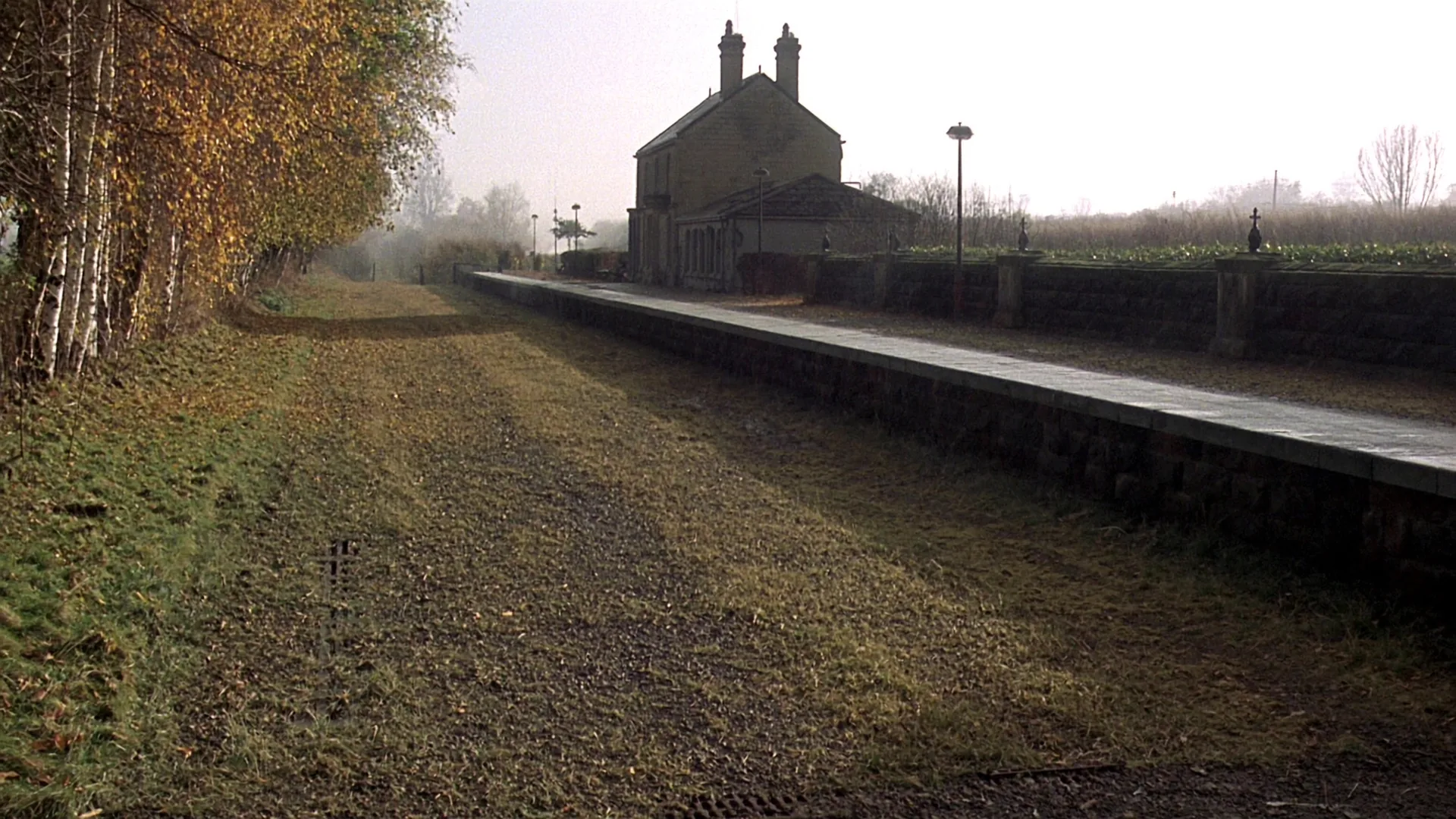
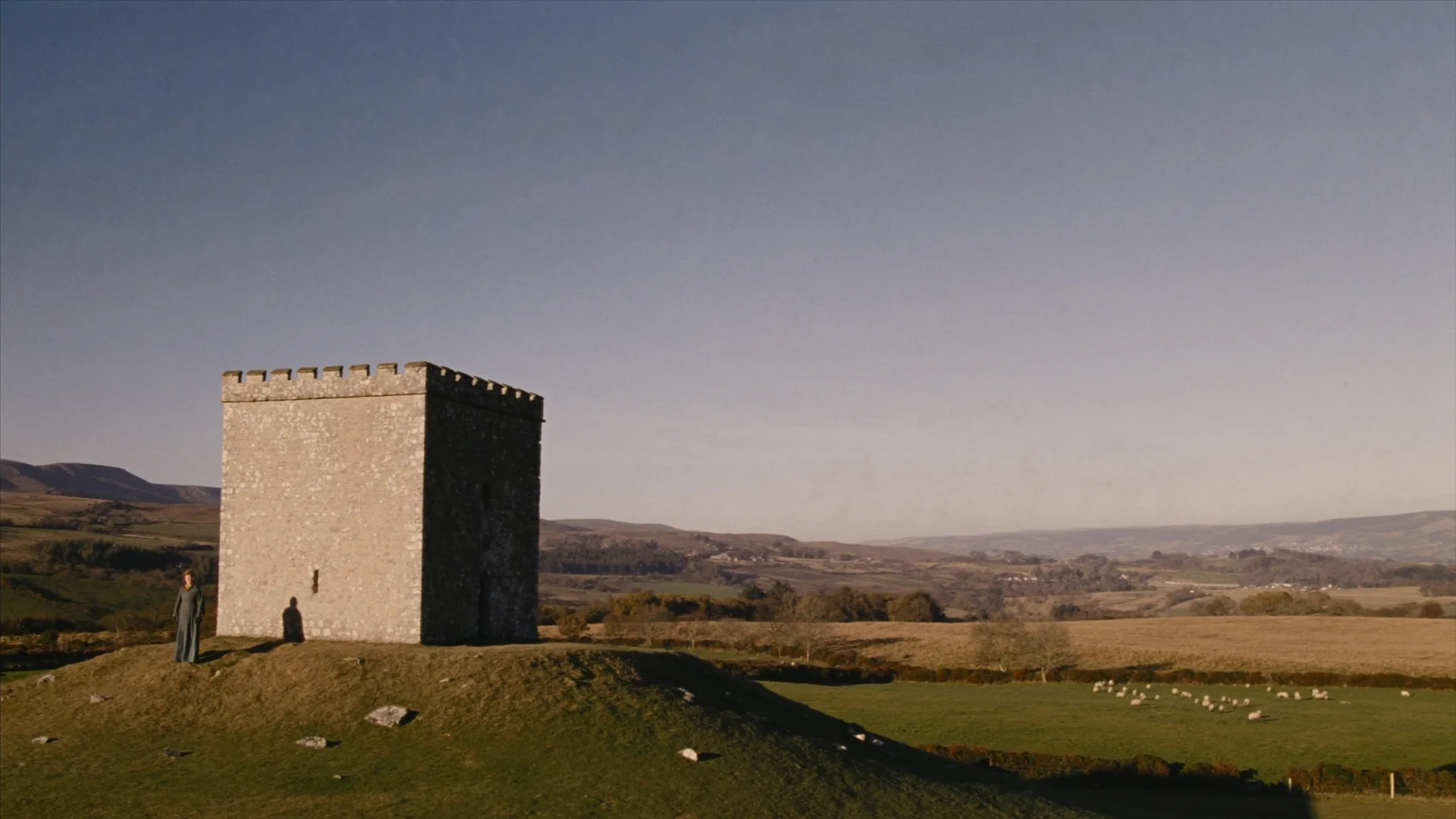
One walk near Wooler got us thinking about the old railways: the stations, the routes, and the infrastructure that let people and goods travel further than before.
It is a simple analogy, but it explains a lot about how we now approach web design. A good website matters. It might be the first place someone discovers a business, decides whether to trust it, or understands what makes it different. But the website is only one stop on a longer journey.
The station A platform with nobody waiting is still a beautiful platform.
So we ask what happens after somebody sends an enquiry. Does it reach the right person? Can they book without chasing three different messages? Is the information the team needs there when they need it? Can the business deliver the experience it promised?
A beautiful station isn't much use if the trains don't connect.
The route
Five stops between a stranger and a regular
The website is the first stop. Most of the distance is in the four after it.
01
Found
Someone discovers you, on Google, in an AI answer or from a friend, and your website explains why you are worth choosing.
Do they understand you in ten seconds?
02
Enquiry
They ask a question or try to book. It lands somewhere a person will actually see it.
Does it reach the right person?
03
Handover
The details travel with the enquiry, so nobody re-types, re-asks or loses the thread.
Does anything fall between tools?
04
Experience
The team has what it needs on the day, and the promise on the website is the one delivered.
Does the day match the promise?
05
Return
A thank-you, a review, a reason to come back. The journey loops round to the start.
Would they come back, and tell someone?
That is why Quiet Build has moved beyond websites alone towards connected digital systems: the small pieces of experience infrastructure that help good businesses communicate, operate and grow without unnecessary friction.
For one business that might mean a clearer website and a better customer journey. For another, it might mean linking existing spreadsheets, files, enquiries and workflows so work doesn't disappear between people and tools.
The goal isn't more software.
It's less distance between intention and action.
Start with the human problem, not the technology
Artificial intelligence has changed what a small studio can build. Work that once needed a large team, an expensive platform or months of development can now be approached in much more practical ways.
That's exciting. It is also easy to get distracted by the tools. A new AI model, agent or website builder might change the method. It doesn't automatically change the underlying need.
A business still needs to answer enquiries. A customer still needs to feel confident about a decision. A team still needs to know what happens next. A founder still wants more time for the work they actually care about. So we begin there, with three questions:
01What is trying to move?
02Where does it need to go?
03And what is stopping it?
Only then do we choose what to build. Sometimes the answer involves AI. Sometimes it is a better information structure, a straightforward automation, clearer writing or a simpler website. Quite often, it is connecting the tools a business already uses rather than replacing everything.
The right solution should make things more familiar, more useful and easier to maintain, not make a business dependent on a system it doesn't understand.
Northumberland is part of the research process
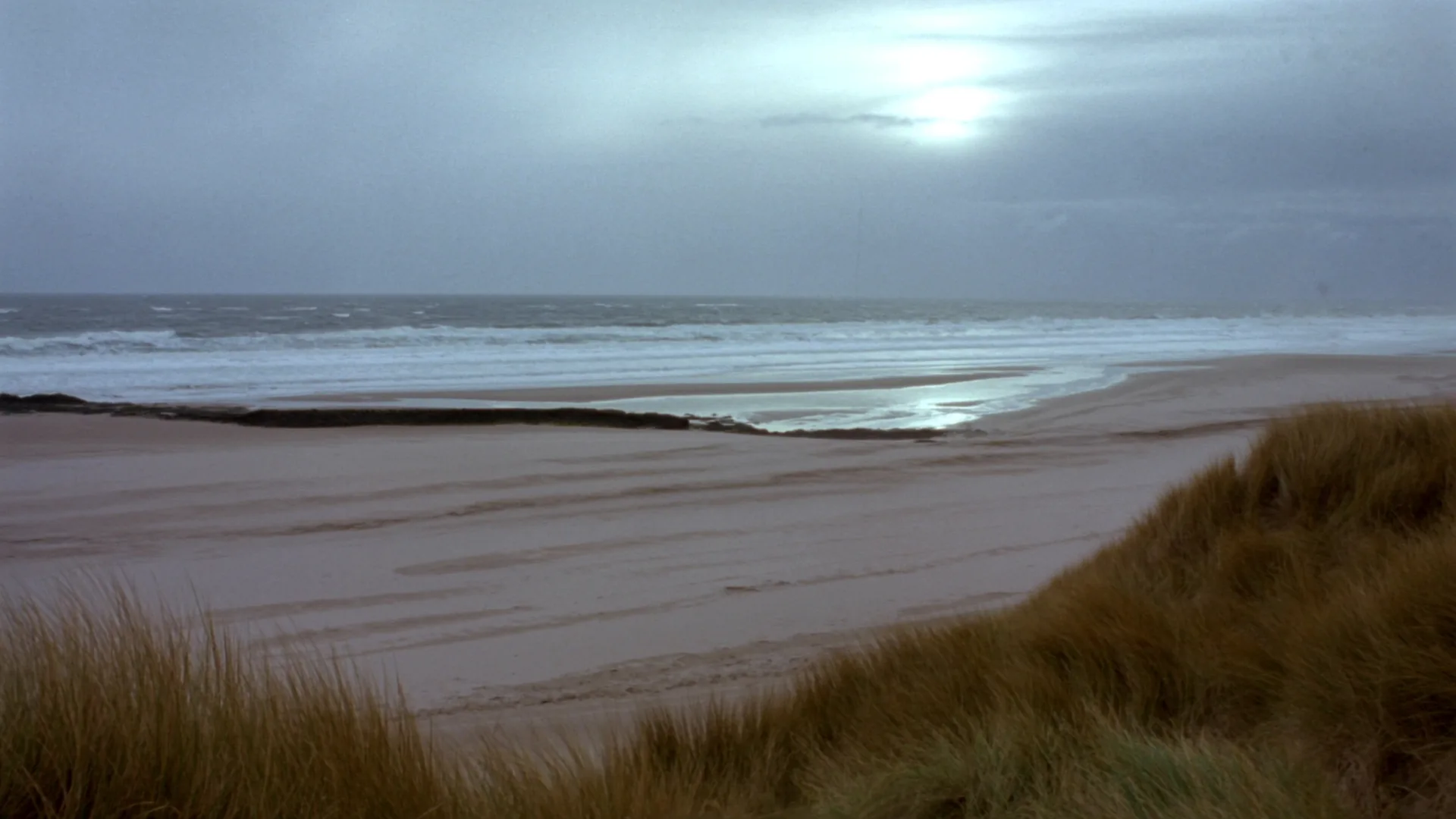
The landscape plays a real role in this way of thinking. Walk around a Northumberland village and you'll find traces of changing industries and transport routes. Follow the coast and you're reminded how people, weather, geography and history shape the character of a place. Take the same path twice and you notice something different each time.
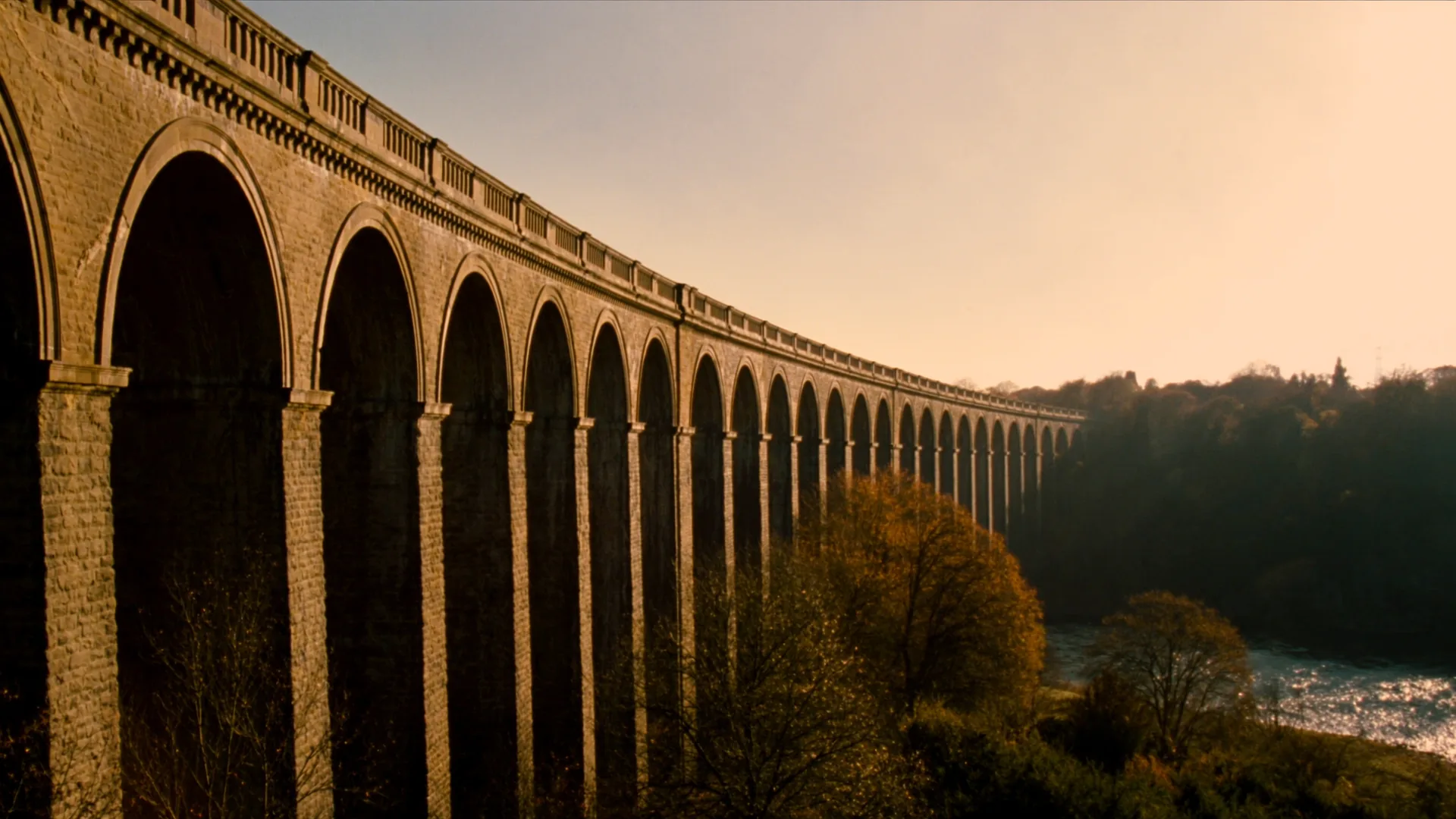
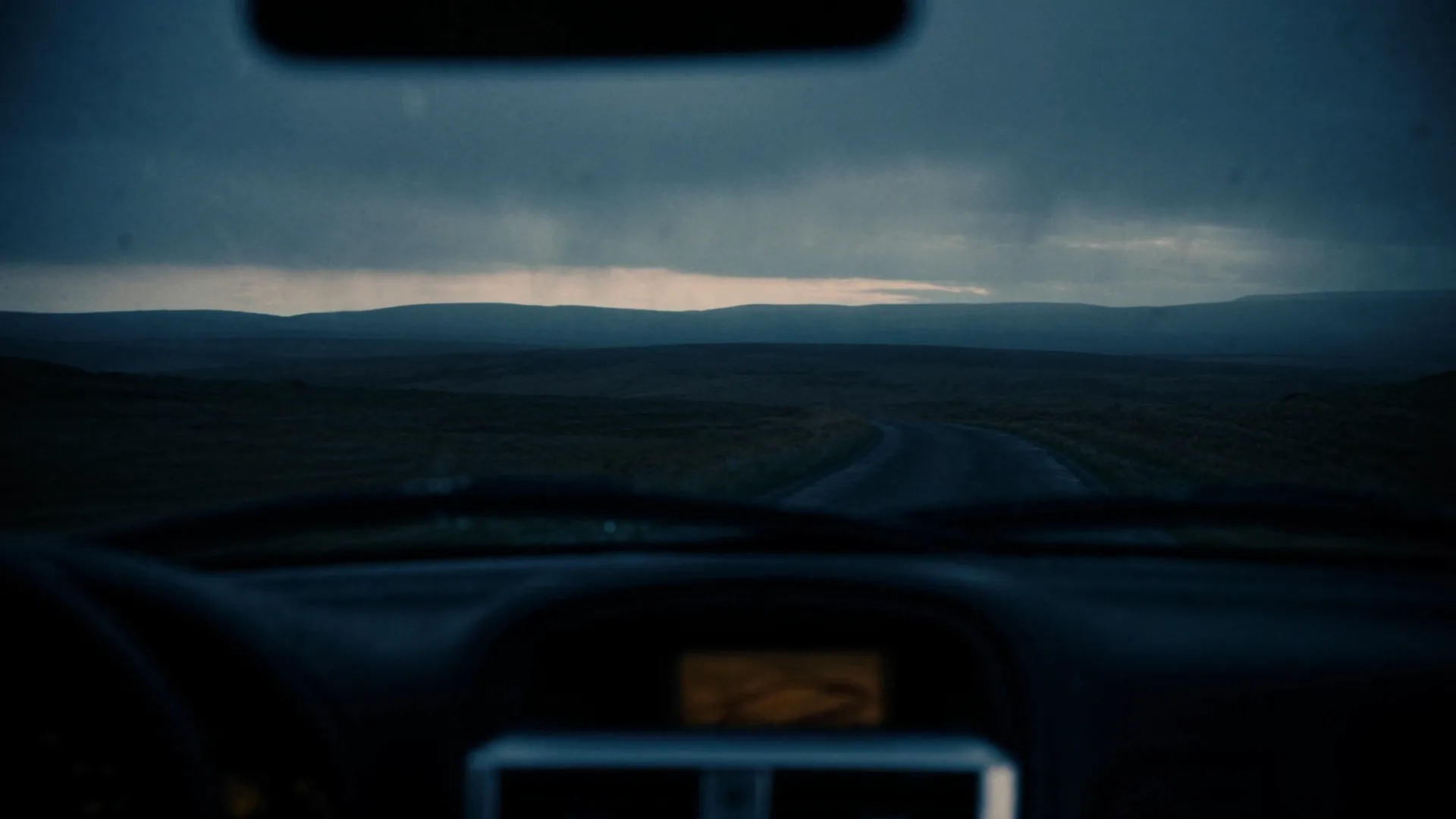
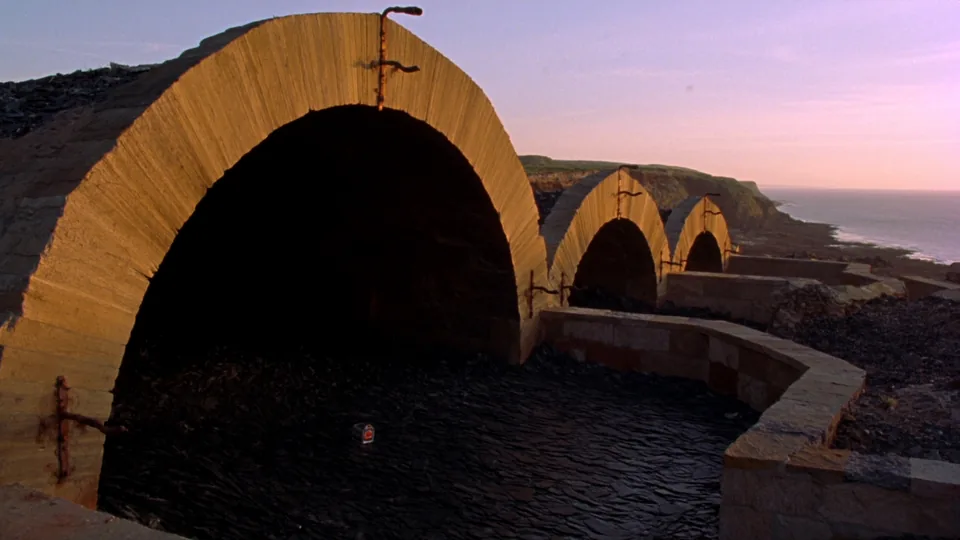
The drive out Music on, phone down, the road doing the thinking.Traces Old industries leave their architecture behind.
Those walks help us look beyond the obvious interface. They push us to think about what sits underneath an experience: the route, the context, the small decisions, the handovers and the things that make it memorable.
Music helps too. Sometimes it's a subtle electronic record on the drive out. Sometimes it's an ambient piece that changes how a landscape feels. It puts a little space between the noise of daily work and the deeper question we're trying to answer.
This isn't a claim that a walk solves a client's operational problem. It doesn't. Discovery, design, building and testing still have to happen properly. But changing the setting often helps us see the problem more clearly before we come back and build something concrete.
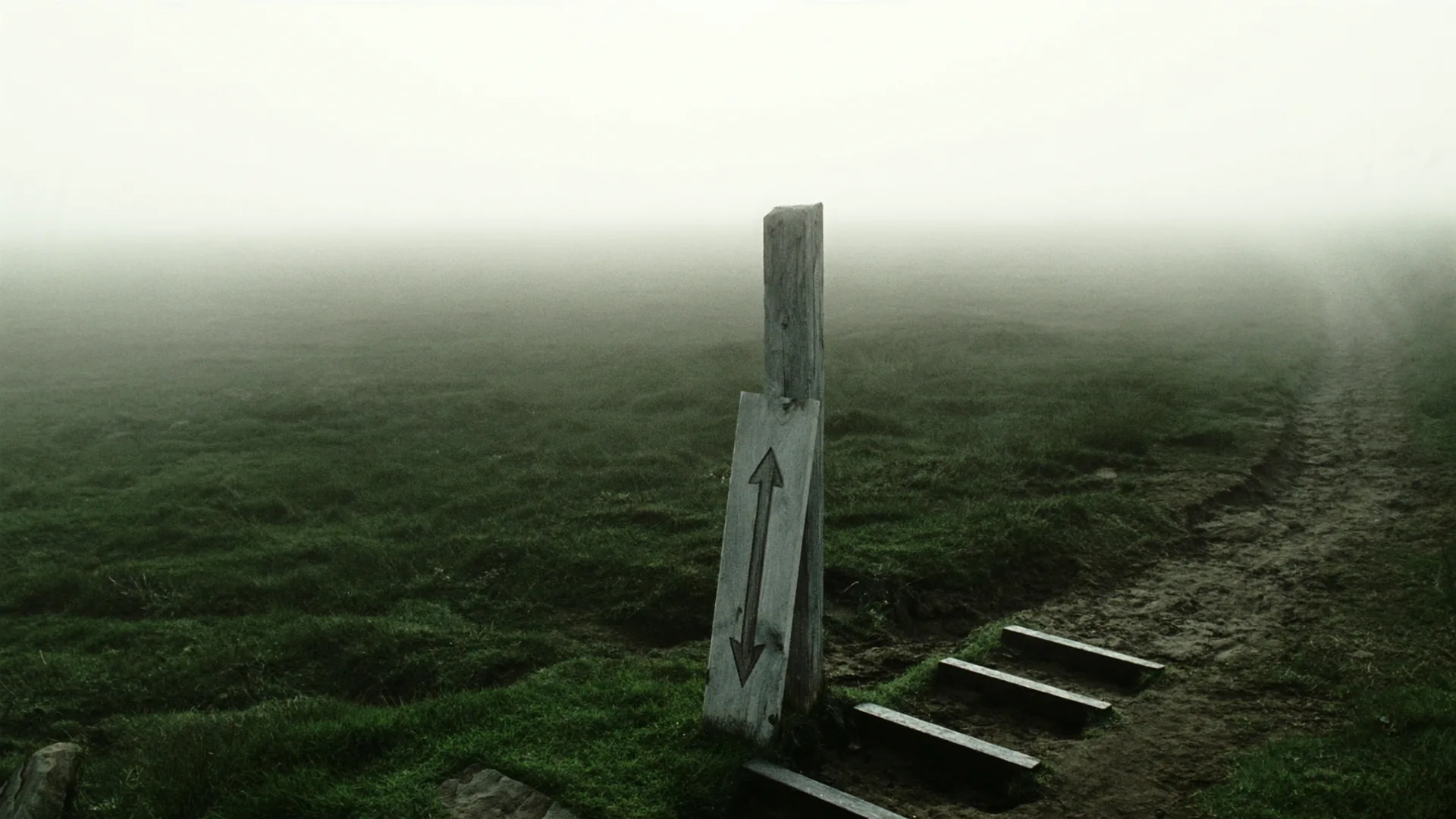
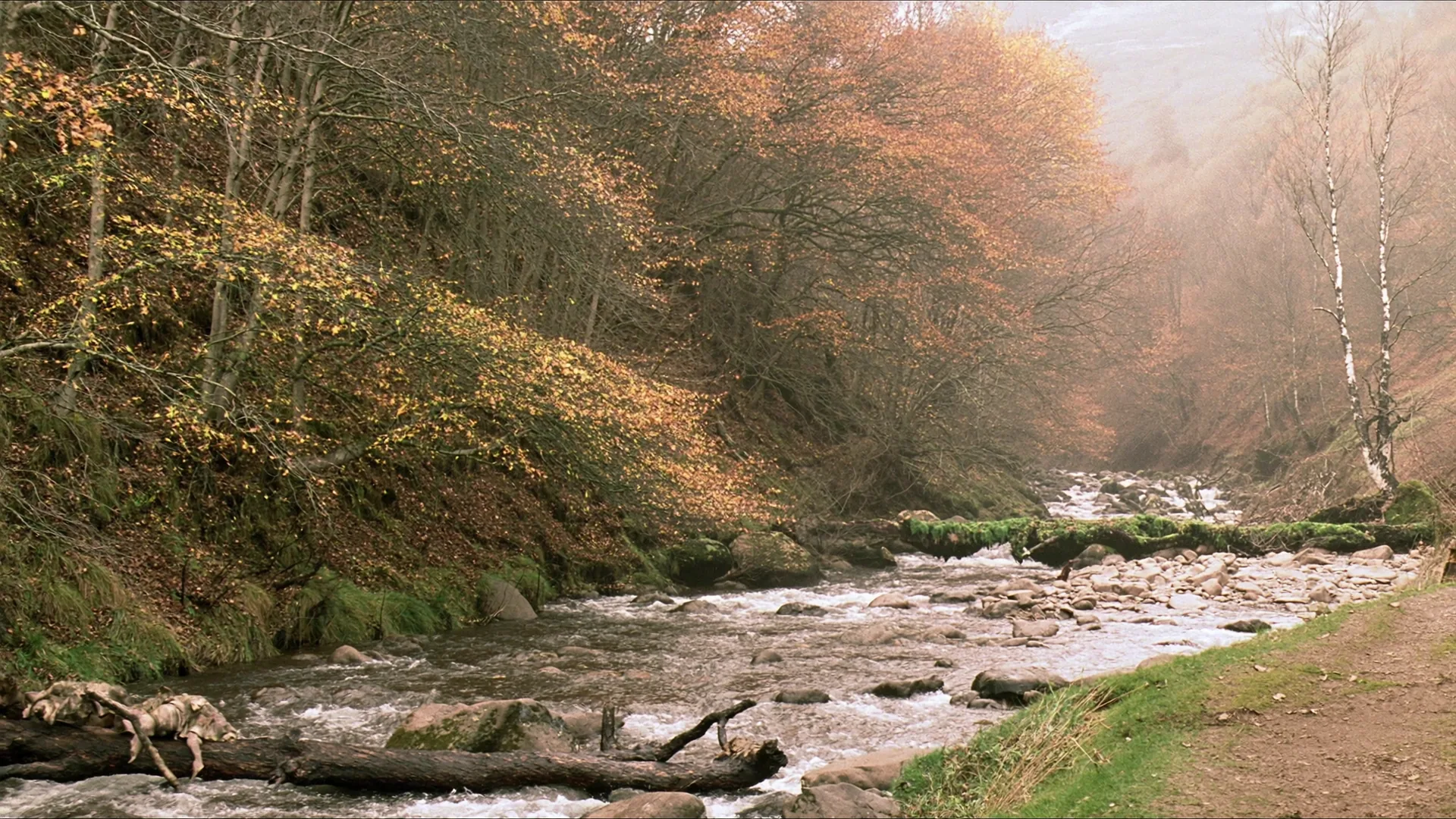
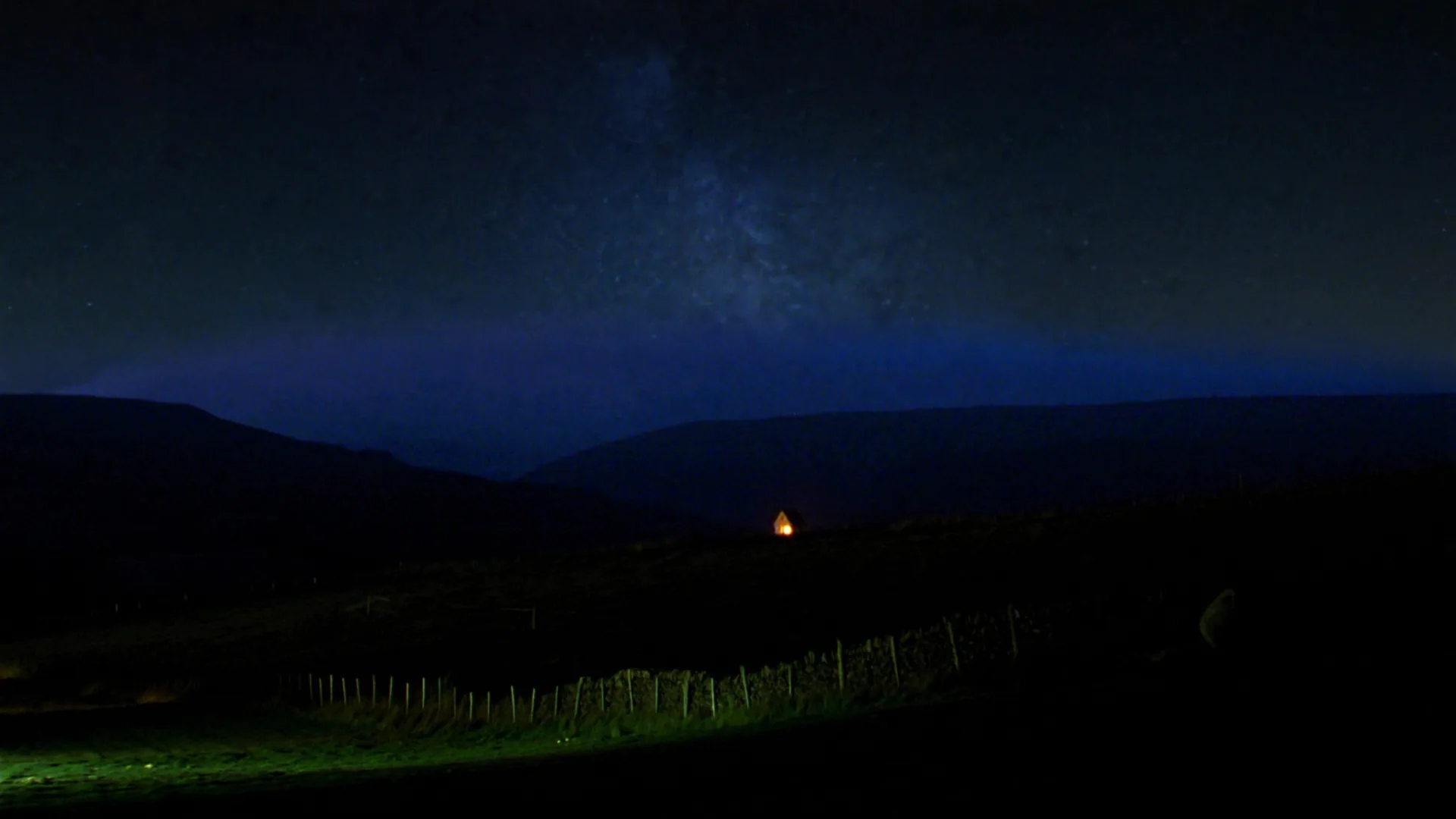
The valley Same path, different light, different question.
Different projects, one idea
Four journeys. The same principle.
This thinking now connects our client work with a few independent projects. They are different projects at different stages, and we are not pretending they solve the same commercial problem.
Landscapes, stories and sound: how a walk or a place might become richer when you can understand more of what you're seeing and hearing.
Distance it closes: context
A traveller using a phrase for the first time. Someone finding a music venue that feels like their kind of place. A visitor understanding a landscape. A small team finally getting its systems to work together. What connects them is removing barriers without removing the human part of the experience.
Quiet Build helps
good work travel.
Good systems should make good work travel further
There is a tendency in digital work to measure the most visible thing: a new site, a new design, another automation, a new feature. We think the more interesting measure is what changes for the people using it.
Does somebody find the business more easily? Do they understand what makes it worth choosing? Can a team finish the job with less chasing and fewer dropped handovers? Has the new tool improved the actual experience, rather than simply producing a tidier dashboard?
Our working process has four stages. We call it DAIM:
D
Discovery
Understand the need. What is trying to happen, where the friction is, who owns each step.
A
Architecture
Design the route. What belongs where, which tools connect, what stays simple.
I
Implementation
Build and test one real journey end to end, with the people who use it.
M
Maintenance
Keep improving what people really use, as tools and needs change.
And when something changes, we ask one more question:
How do we make this change fully verifiable?
A confident claim is no substitute for evidence. We want working customer journeys, real feedback from the people using them, measurable improvements where they matter, and systems a business can understand and carry forward on its own.
Technology should make room for more meaningful experiences
We don't think every business needs an AI strategy deck. Most need a few important things to work a little better. A website that explains the work properly. An enquiry that gets answered. A workflow that moves without someone chasing it. Content that helps the right people discover a brilliant independent business.
The watch Northumberland's old towers were built to keep an eye on the horizon. We watch new tools the same way: calmly, from higher ground.
The tools will keep changing, and we'll keep watching that landscape too. But the deeper aim feels more durable.
The film
Reducing the Distance, in under a minute
A short film made for this piece: the Cheviots, an old line, a viaduct, the coast and the way back to the desk, with an original score made for it.
Reducing the distance between people and meaningful experiencesReducing the distance between people and meaningful experiences
Reducing the distance between people and meaningful experiences. That's the direction we're building in, and the question we'll keep carrying back from our Northumberland walks to the desk.
Common questions
What does Quiet Build do?
Quiet Build is a digital studio in Ponteland, near Newcastle upon Tyne. It designs websites and practical connected systems that help independent businesses improve how customers discover, enquire and engage with them, and how work flows behind the scenes.
Does every Quiet Build project use AI?
No. AI is useful where it solves a real problem, but it isn't the starting point. Some projects benefit more from clearer content, a better website structure, a simpler workflow or connecting tools the business already uses.
What does "a website is a station, not the railway" mean?
A website is where people arrive, but the experience depends on what happens next: the enquiry, the handover, the booking, the day itself and the follow-up. Quiet Build designs that whole route, not just the first stop.
Who does Quiet Build work with?
Independent, founder-led and experience-led businesses that care about the quality of what they do and want their website and operations to reflect it. The studio works across Newcastle, Northumberland and the North East, and with businesses beyond the region.
How do you decide what to improve first?
We start with the customer or team journey, find the biggest points of friction and build the simplest useful improvement. Then we test it with real users and refine it based on evidence.
Sources
Northumberland Historic Environment Record, Wooler Railway Station: line opened 1887, closed to passengers 22 September 1930. Wikipedia, Wooler railway station, on stations sitting some distance from the communities they served.
Images and film for this piece were made by Quiet Build with AI image and video tools, to picture places we walk. They are not photographs of specific locations.
Is the distance in your business between the website and the work?
If enquiries, bookings or handovers are where good customers quietly drop away, tell us what you want to make easier. A personal reply from Matt, not a bot.